Blue Sapphire: A Guide to One of the World’s Most Iconic Gemstones
Blue sapphire stands among the most admired and timeless gemstones in the world. Celebrated for its striking beauty, rarity, and cultural significance, this gemstone has earned a prestigious place in the global gem trade and continues to inspire fascination across generations.
What Makes Blue Sapphire So Special?
Blue sapphire owes its exceptional value to two core factors:
1. Rarity
High-quality blue sapphires are naturally scarce. Clean, well-formed crystals suitable for fine jewelry are found only in a few regions around the world, and even then, only in limited quantities.
2. Color
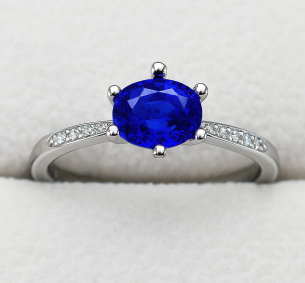
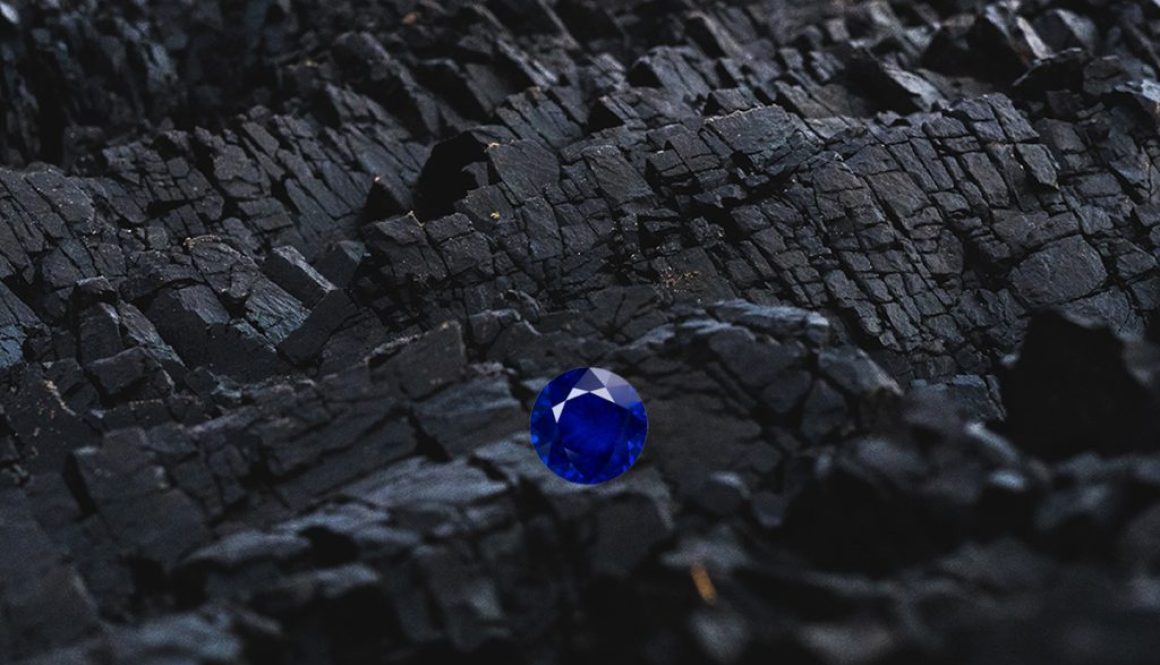
The gemstone’s most coveted trait is its color. Among the many hues of blue sapphire, “Royal Blue” is considered one of the finest. Not all sapphires exhibit the same shade colors range from pale cornflower blue to deep velvety blues, depending on geological conditions.
Why Is Sapphire Blue?
Treatments and Enhancements
Key Characteristics of Blue Sapphire
• Density
Blue sapphires generally have a specific gravity around 4.0, consistent with the corundum family.
• Mineral Family
Sapphire belongs to the corundum family and is classified as a precious gemstone due to its rarity, durability, and value.
Where Blue Sapphires Are Found
Blue sapphires are sourced from several notable mining regions around the world, including:
-
- Sri Lanka
- Madagascar
- Myanmar
- Tanzania
- Kenya
- Thailand
Each origin produces sapphires with unique attributes, but beauty and value can be found across all regions.
How the Value of Blue Sapphire Is Determined
A sapphire’s price is primarily influenced by:
1. Carat Weight
Larger stones are exponentially rarer, making high-carat sapphires significantly more valuable.
2. Color
The most desirable colors are vivid, evenly saturated blues without excessive darkness or grayness.
3. Clarity
While inclusions are common in natural sapphires, cleaner stones command higher prices.
4. Cut
A well-cut sapphire maximizes color, brilliance, and overall beauty.
The combination of these factors determines the gemstone’s final market value.
Why Blue Sapphire Is a Strong Investment Gem
Blue sapphire is considered one of the most reliable and sought-after gemstones for collectors and investors. Because the supply of fine-quality stones is limited, the market consistently shows strong demand and stable long-term value.
Opportunities include:
- Purchasing rough stones and having them cut and polished
- Investing in high-quality faceted stones
- Building a long-term gemstone collection
Those who understand the gem’s characteristics and market behavior often find this an advantageous sector.
A Final Note for Beginners
If you’re new to gemstones, the most important step is to learn patiently.
Gemstones require knowledge color evaluation, clarity, treatments, and sourcing all play a major role in determining quality and value.
Once you build a solid understanding, the world of sapphires becomes far more rewarding.