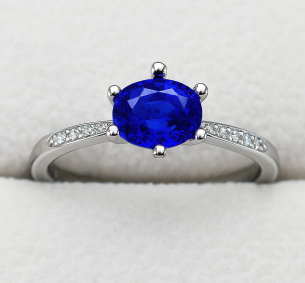
Blue Sapphire
Understanding Star Sapphires: Nature’s Celestial Gemstones
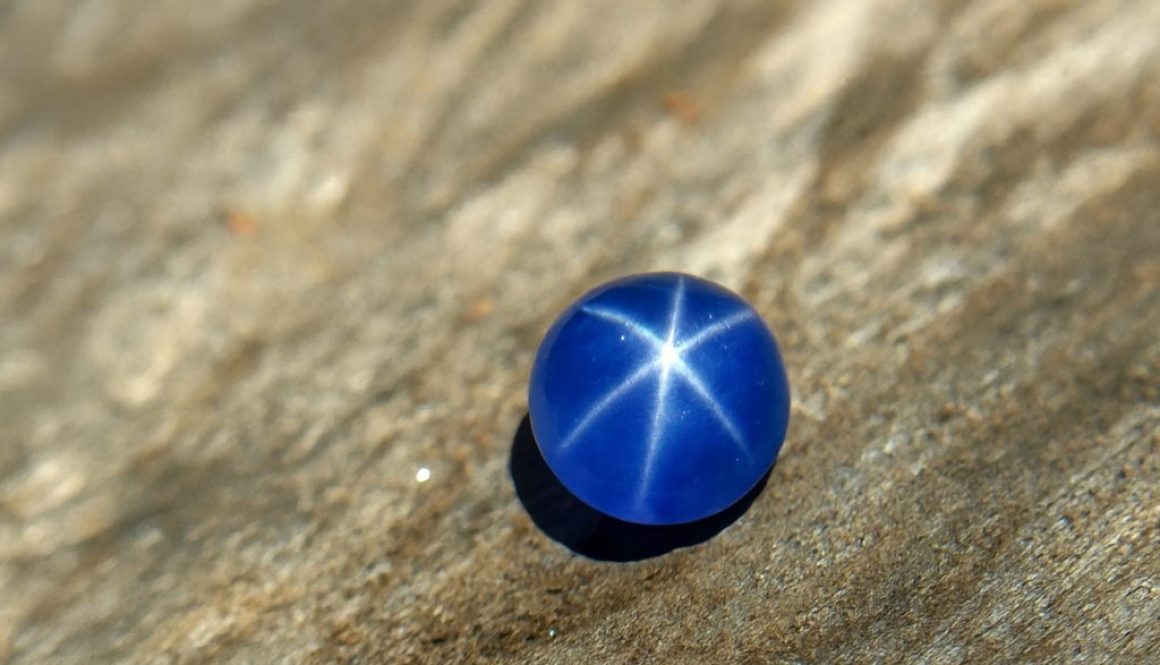
Star sapphires are among the most captivating and mystical gemstones found in the world of fine jewelry. Unlike traditional sapphires, which are prized for their vivid color and clarity, star sapphires possess a rare optical phenomenon that sets them apart: a luminous, star-shaped pattern that glides across the stone’s surface when exposed to light. This mesmerizing effect, known as asterism, has fascinated gem enthusiasts for centuries and continues to elevate the value and desirability of these stones in the modern market.
What Causes the Star Effect?
Asterism occurs when needle-like inclusions of rutile (titanium dioxide) become aligned within the sapphire during its formation. These microscopic fibers intersect in a way that reflects incoming light as a star. Unlike flaws that reduce the value of most gemstones, these inclusions are essential: without them, the star would not appear.
To maximize the star effect, cutters must orient the stone with precision. The gemstone is polished and shaped along its optic axis, and only by cutting at the correct angle can the star reach its full sharpness and symmetry. When done correctly, the result is a gemstone with a luminous, floating star at its center one that appears to glide gracefully across the dome as the stone is moved under direct light.
Cabochon Cutting: The Key to Asterism
Star sapphires are almost always cut into smooth, domed cabochons rather than faceted shapes. This rounded style is crucial because it:
- Allows light to reflect evenly from the rutile inclusions
- Enhances the visibility and sharpness of the star
- Ensures the rays appear centered and symmetrical
- A well-cut cabochon should display a perfectly centered star that remains visible from multiple angles.
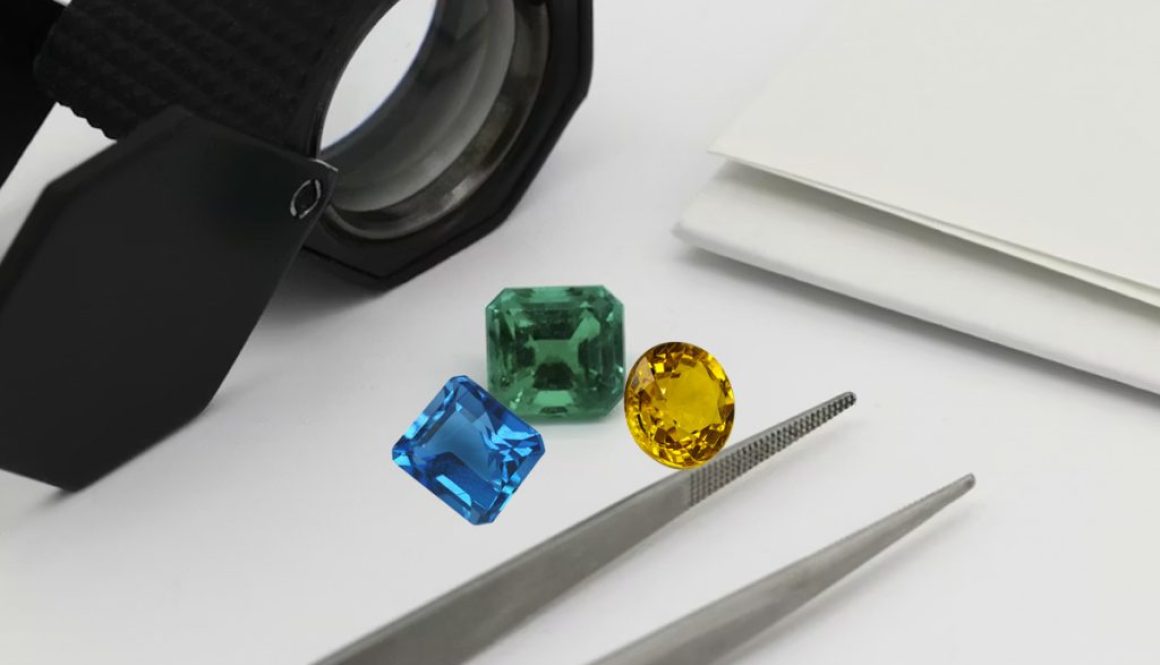
Colors and Varieties
While blue is the most iconic color, star sapphires occur in an impressive range of hues:
Blue – The most sought-after, with velvety deep blue tones often associated with Sri Lankan and Burmese origins
Black or gray – Typically opaque with strong six-ray stars
Pink and red – Rare and valuable, often mistaken for star rubies when red
Yellow or golden – Bright and attractive with distinct stars
The clarity of the star and the strength of the stone’s underlying color play major roles in its value.
Visibility of the Star
The star phenomenon is most striking under direct, concentrated light, such as sunlight or a focused LED beam. A high-quality star sapphire will show:
- A sharp, centered star
- Rays that extend fully across the surface
- Minimal distortion or “jumping” of the star when the stone shifts
- Typically six rays, though four, eight, and even twelve-rayed stars can appear
- Twelve-ray stars are exceptionally rare and highly prized.
Market Value and Rarity
Star sapphires occupy a special place in the gemstone market due to their rarity and visual allure. Their prices can vary dramatically depending on:
- Color intensity
- Sharpness and symmetry of the star
- Size and transparency
- Geographic origin
- Skill of the cabochon cut
Fine-quality stones—especially those from Sri Lanka (Ceylon), Burma (Myanmar), and Madagascar—can achieve extraordinary prices in the world of high-end jewelry. Historic stones such as the Star of India or the Black Star of Queensland further underscore the gemstone’s cultural and economic significance.
A Gemstone Filled With Myth and Meaning
Throughout history, star sapphires have been viewed as protective talismans. Ancient civilizations believed the star represented divine guidance, warding off harm and bringing good fortune to its wearer. Even today, the gemstone retains an aura of mystery, making it a popular choice for collectors, spiritual jewelry, and unique engagement rings.
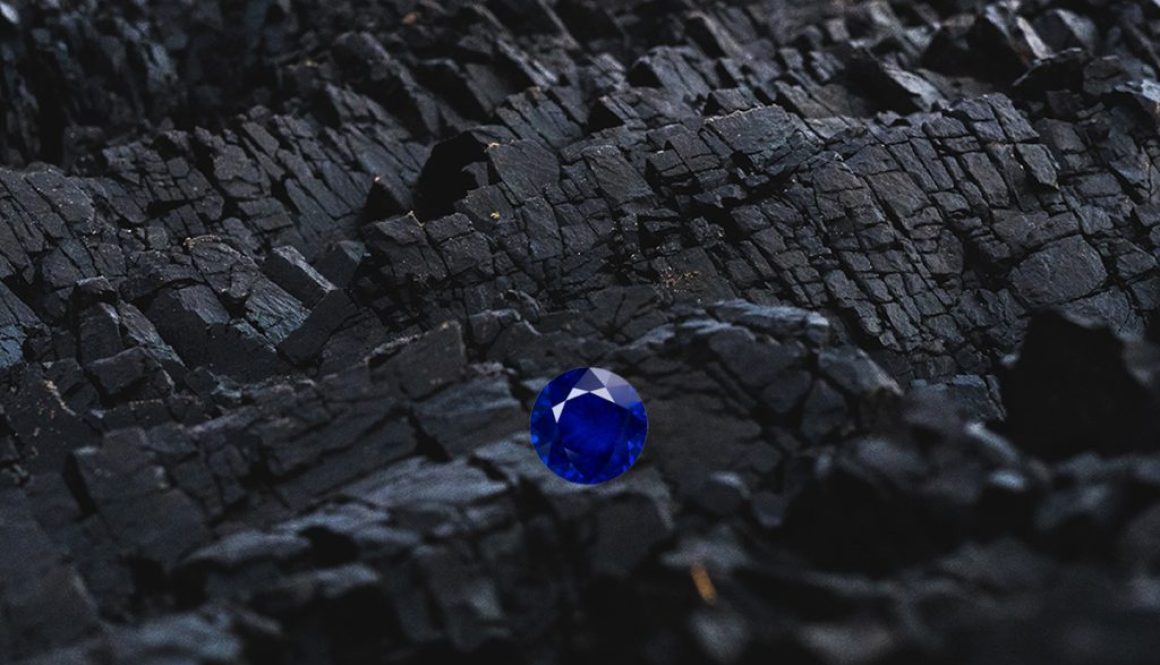
Blue Sapphire: A Guide to One of the World’s Most Iconic Gemstones
Blue sapphire stands among the most admired and timeless gemstones in the world. Celebrated for its striking beauty, rarity, and cultural significance, this gemstone has earned a prestigious place in the global gem trade and continues to inspire fascination across generations.
What Makes Blue Sapphire So Special?
Blue sapphire owes its exceptional value to two core factors:
1. Rarity
High-quality blue sapphires are naturally scarce. Clean, well-formed crystals suitable for fine jewelry are found only in a few regions around the world, and even then, only in limited quantities.
2. Color
The gemstone’s most coveted trait is its color. Among the many hues of blue sapphire, “Royal Blue” is considered one of the finest. Not all sapphires exhibit the same shade colors range from pale cornflower blue to deep velvety blues, depending on geological conditions.
Why Is Sapphire Blue?
The blue color in sapphire is caused by trace amounts of titanium and iron within the mineral corundum.
The proportion of these trace elements determines the exact shade of blue. Different distributions of these elements also lead to phenomena such as color zoning, where varying hues appear within the same stone.
Treatments and Enhancements
Since geological processes cannot be controlled, some blue sapphires undergo standard industry treatments—primarily heat treatment—to improve color or clarity.
These treatments are widely accepted in the gem trade, provided they are properly disclosed.
Advanced treatments will be discussed in detail in future articles.
Key Characteristics of Blue Sapphire
• Density
Blue sapphires generally have a specific gravity around 4.0, consistent with the corundum family.
• Mineral Family
Sapphire belongs to the corundum family and is classified as a precious gemstone due to its rarity, durability, and value.
Where Blue Sapphires Are Found
Blue sapphires are sourced from several notable mining regions around the world, including:
-
- Sri Lanka
- Madagascar
- Myanmar
- Tanzania
- Kenya
- Thailand
Each origin produces sapphires with unique attributes, but beauty and value can be found across all regions.
How the Value of Blue Sapphire Is Determined
A sapphire’s price is primarily influenced by:
1. Carat Weight
Larger stones are exponentially rarer, making high-carat sapphires significantly more valuable.
2. Color
The most desirable colors are vivid, evenly saturated blues without excessive darkness or grayness.
3. Clarity
While inclusions are common in natural sapphires, cleaner stones command higher prices.
4. Cut
A well-cut sapphire maximizes color, brilliance, and overall beauty.
The combination of these factors determines the gemstone’s final market value.
Why Blue Sapphire Is a Strong Investment Gem
Blue sapphire is considered one of the most reliable and sought-after gemstones for collectors and investors. Because the supply of fine-quality stones is limited, the market consistently shows strong demand and stable long-term value.
Opportunities include:
- Purchasing rough stones and having them cut and polished
- Investing in high-quality faceted stones
- Building a long-term gemstone collection
Those who understand the gem’s characteristics and market behavior often find this an advantageous sector.
A Final Note for Beginners
If you’re new to gemstones, the most important step is to learn patiently.
Gemstones require knowledge color evaluation, clarity, treatments, and sourcing all play a major role in determining quality and value.
Once you build a solid understanding, the world of sapphires becomes far more rewarding.